Source Industrial 4G LTE Router with Firewall for Enterprise, SOHO, and IoT
Source 30 industrial 4G LTE router with firewall units designed for enterprise, SOHO, and IoT applications. Compare modular options featuring PoE, VPN support, and various antenna configurations from verified suppliers in Shenzhen; compare the available evidence and request quotations based on your requirements.
Key considerations
Products List


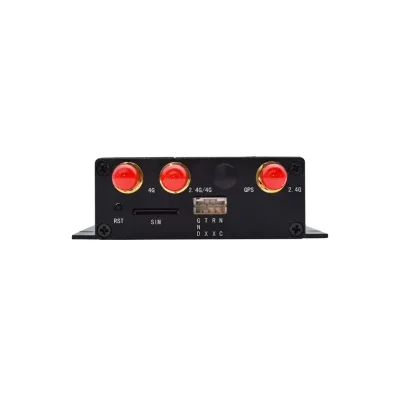


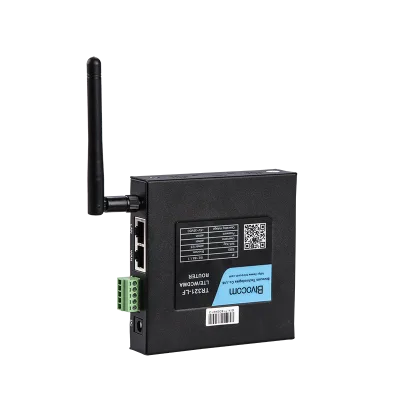


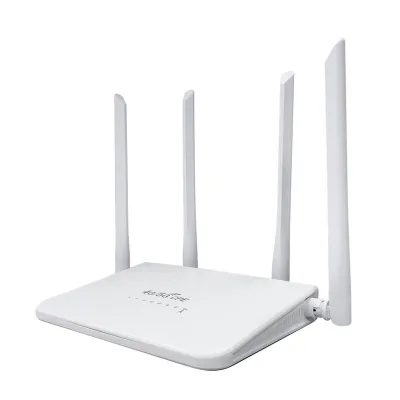


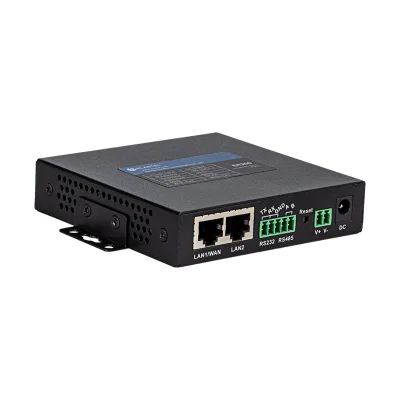
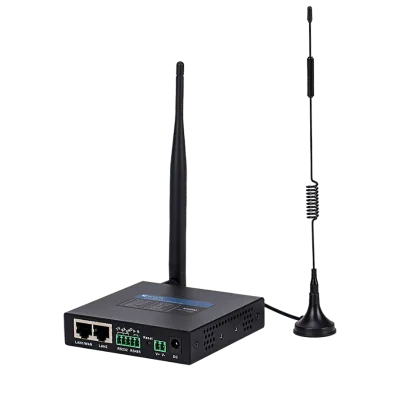
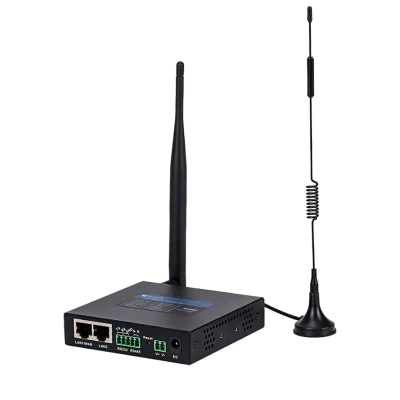
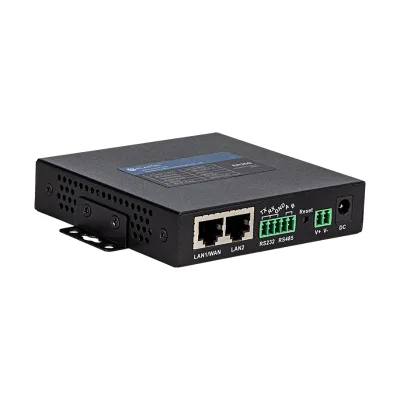
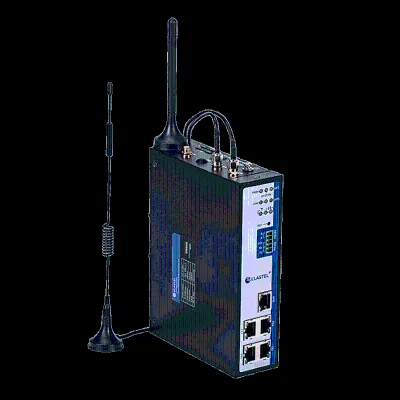


Comprehensive Sourcing Guide
Industrial 4G LTE Router with Firewall Sourcing Guide
Procurement teams must first distinguish between general enterprise connectivity and specialized industrial-grade hardware designed for harsh environments. The observed product range includes models explicitly classified as 4G outdoor routers and industrial units for M2M, IoT, and in-vehicle applications. Buyers should verify that the selected unit matches the specific deployment environment, as features like pole mounting or DIN-rail installation are critical for outdoor or rack-based industrial setups.
A secondary distinction lies in the network architecture and port configurations, which vary significantly across the observed listings. Some units function as border routers with single bus master-slave CPU architectures, while others offer modular port structures with multiple Gigabit Ethernet interfaces. It is essential to confirm whether the device supports the required transfer rates, such as 10/100Mbps or 10/100/1000Mbps, to ensure compatibility with existing network infrastructure and bandwidth demands.
Product Scope and Observed Listing Signals
The market presents a diverse array of hardware options ranging from basic SOHO connectivity to advanced industrial solutions with dual cellular modules. Listings indicate models featuring single or dual SIM card slots, with some supporting optional GNSS modules for precise location tracking via Galileo, GPS, Beidou, or Glonass systems. Buyers must carefully review the antenna specifications, noting that some units utilize internal antennas while others offer external replaceable options for enhanced signal reception in challenging RF environments.
Connectivity flexibility is another key signal, with observed products supporting various Wi-Fi standards from 802.11 a/b/g/n up to Wi-Fi 6 and Wi-Fi 7 capabilities. Power requirements also vary, with some units accepting a broad input range of 5-40V or 5-60V and supporting Power over Ethernet (PoE) for simplified cabling. Procurement teams should verify the specific power and antenna configurations against the physical constraints of the installation site to avoid compatibility issues during deployment.
Technical Specifications to Verify
Security is a primary technical requirement, with observed devices offering robust VPN capabilities including IPsec, OpenVPN, WireGuard, PPTP, L2TP, and GRE protocols. These features are essential for establishing secure tunnels between remote industrial sites and central management systems. Buyers must confirm that the firewall functionality is integrated and capable of handling the specific traffic patterns of their enterprise or SOHO applications without introducing latency.
Management and interface capabilities are equally critical for operational efficiency, with observed units supporting E-Lins NMS, web interfaces, SNMP, SSH, and Telnet access. Industrial models often include digital input/output (DI/DO) channels and optional serial ports like RS232 or RS485 for connecting legacy sensors or PLCs. Procurement teams should validate that the management suite aligns with their existing IT infrastructure and that the physical ports match the required peripheral connections.
Compliance and Safety Documentation
Regulatory compliance is non-negotiable for international deployment, and observed products typically carry a comprehensive suite of certifications including CE, RoHS, FCC, UL, TUV, UKCA, and Anatel. These certifications indicate adherence to regional safety, electromagnetic compatibility, and environmental standards, which are vital for passing customs inspections and meeting local regulatory requirements. Buyers must request specific certification documents for the exact model number to ensure the batch being purchased is fully compliant.
Safety documentation also extends to the physical construction and environmental resilience of the hardware. The observed metal case materials provide durability against physical impact and environmental factors, which is a standard expectation for industrial-grade equipment. Procurement teams should verify that the product origin, such as Shenzhen, China, aligns with the supplier's quality control processes and that the packaging meets the shipping requirements for the destination market.
Cost Drivers and Commercial Terms
Pricing in this category is highly variable, with observed listings ranging from approximately 6 to 306.59 USD depending on the feature set and performance class. Factors driving cost include the inclusion of dual cellular modules, advanced Wi-Fi standards like Wi-Fi 7, and specialized industrial certifications. Buyers should analyze the total cost of ownership rather than just the unit price, considering the long-term reliability and the cost of potential replacements for lower-tier models.
Minimum Order Quantities (MOQ) and lead times are significant commercial variables, with observed ranges spanning from 1 to 1000 units. High-volume procurement may unlock better pricing tiers, but smaller orders might be necessary for pilot deployments or specific site rollouts. Procurement teams must negotiate clear terms regarding customization availability, as some models offer tailored configurations that could impact both the unit cost and the production lead time.
Supplier Qualification and Quality Control
Supplier qualification requires a rigorous assessment of their manufacturing capabilities and quality assurance processes, particularly for industrial-grade hardware. Buyers should verify that the supplier has a proven track record in producing devices with the specific modular port structures and ruggedized metal casings observed in the market. It is crucial to confirm that the supplier can consistently deliver units that meet the stated performance metrics, such as line-rate routing capabilities.
Quality control protocols must be explicitly defined in the purchase agreement to ensure product consistency across batches. Buyers should request evidence of testing procedures for the observed certifications and performance claims, such as the 4G LTE standard compliance and firewall efficacy. Establishing a clear communication channel for technical support and warranty claims is essential, especially for complex deployments involving remote management and critical industrial applications.
Long-Term Procurement Checks
Sustainability and lifecycle management are critical considerations for industrial assets that may remain in the field for extended periods. Buyers should verify the availability of firmware updates and the supplier's commitment to supporting the product model for the duration of the deployment. The observed support for various management protocols suggests that long-term remote maintenance is feasible, but this depends on the supplier's ongoing software development and security patching schedule.
Supply chain resilience is another vital check, requiring an assessment of the supplier's ability to maintain inventory levels and manage component shortages. Given the global nature of the electronics supply chain, buyers should establish contingency plans for reordering critical spare parts or replacement units. Regular audits of the supplier's production capacity and quality records will help mitigate risks associated with long-term procurement of specialized industrial networking equipment.
FAQs
What firewall protocols are supported by this industrial 4G LTE router?
The router supports IPsec, OpenVPN, ZeroTier, PPTP, L2TP, and GRE protocols. These options allow secure remote access and site-to-site connectivity for enterprise and industrial applications. The specific protocol availability may depend on the selected model configuration.
Can this router be customized for specific industrial applications?
Yes, customization is available for this industrial 4G LTE router. Buyers can request specific configurations to meet unique operational needs. This flexibility supports integration into various M2M, IoT, and in-vehicle use cases where standard off-the-shelf units may not suffice.
What are the power supply options for this 4G router?
The router operates on a 5-40V power supply, with an optional 5-60V range available. This wide voltage tolerance ensures reliable operation in diverse industrial environments. The power input is designed to handle fluctuations common in field installations.
Which installation methods are supported by this industrial router?
The router supports pole mount, desktop, wall mount, and DIN-rail installation. This versatility allows for flexible deployment in various industrial settings. The DIN-rail option is particularly useful for control panel integration in factory environments.
What cellular standards does this 4G LTE router support?
The router supports 4G LTE standards, with specific models featuring dual 4G LTE cellular modules. This provides robust connectivity for industrial applications requiring high availability. The cellular capability ensures reliable data transmission in remote or mobile environments.
Does this router support PoE for power delivery?
Yes, the router supports PoE, with specific models acting as PoE PD devices. This allows for simplified power delivery over Ethernet cables, reducing installation complexity. PoE support is particularly beneficial for remote or hard-to-reach installation locations.
What management options are available for this industrial router?
The router can be managed via E-Lins NMS, Web interface, SMS, SSH, Telnet, Command, and SNMP. These multiple management channels provide flexibility for different operational workflows. Remote management capabilities are essential for maintaining distributed industrial networks.